The Dark Legend of Jang Noksu: Netflix’s Tyrant’s Chef and Korea’s Most Notorious Royal Concubine
Discover the chilling true story behind Korean drama’s most infamous femme fatale and her deadly curse that may have sealed her own fate
Introduction: From Netflix Screens to Historical Reality
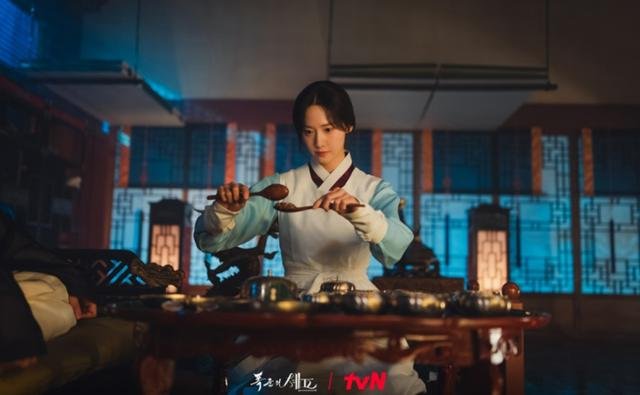
If you’ve been captivated by Netflix’s Korean historical dramas or recently watched “Tyrant’s Chef” (폭군의 셰프) on tvN, you’ve likely encountered one of Korea’s most controversial historical figures. While the 2025 drama reimagines her as “Kang Mokju” (played by Kang Hanna), the real Jang Noksu (장녹수, 1470-1506) was far more complex and terrifying than any fictional adaptation could portray.
Her story includes one of history’s most chilling examples of black magic backfiring – a curse so powerful it may have killed both the target and the caster within days of each other.
Who Was Jang Noksu? The Rise of a Slave to Royal Concubine
From Poverty to Power
Jang Noksu’s story reads like a dark fairy tale. Born around 1470, she was the daughter of Jang Hanpil, a county magistrate, and his concubine. Due to Korea’s strict social hierarchy system called “ilcheon-jeukcheon” (once lowborn, always lowborn), Noksu inherited her mother’s slave status despite her father’s noble position.
Key Historical Facts:
- Birth Status: Slave (nobi) under Prince Jae-an
- Previous Life: Married to a house servant, had a son
- Talent: Exceptional singing and dancing abilities
- Age When Discovered: Around 30 years old (though she appeared much younger)
- Secret Skill: Rumored practitioner of dark magic and curse rituals
The Transformation That Changed Korean History
Unlike popular belief, Jang Noksu wasn’t exceptionally beautiful. Historical records from the Joseon Wangjo Sillok (조선왕조실록) describe her appearance as “ordinary.” Her real power lay in her extraordinary charisma, political cunning, and according to Korean folklore, her knowledge of deadly curse magic.
The Deadly Curse: The Straw Doll That Sealed Two Fates
The Most Chilling Tale in Korean Royal History
According to Korean yasa (야사, unofficial historical accounts), Jang Noksu’s most notorious act was her attempt to murder King Yeonsan’s official wife, Queen Shin, through black magic. The story goes:
The Curse Ritual:
- The Target: Queen Shin (거창군부인 신씨), Yeonsan’s beloved official wife
- The Method: Creating a straw doll (새끼 인형) representing the Queen
- The Incantation: Repeatedly stabbing the doll with needles while chanting “Die! Die!” (“죽어라! 죽어라!”)
- The Intention: To eliminate her romantic rival and claim the throne
The Supernatural Twist That Shocked Korea
What makes this story legendary is the terrifying timing of what happened next:
September 1, 1506: Jang Noksu was discovered with the curse doll and executed for witchcraft September 2, 1506: Queen Shin died unexpectedly November 6, 1506: King Yeonsan died in exile
The proximity of these deaths sent shockwaves through Korean society. Had the curse worked, but at a terrible price? Korean folklore suggests that when a curse is interrupted before completion, it rebounds on the caster with double force.
The Netflix Connection: Why Jang Noksu Dominates Korean Media
Recent Adaptations and Cultural Impact
Popular Korean Dramas Featuring Jang Noksu:
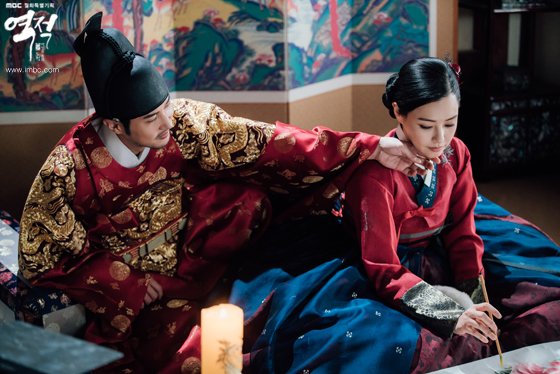
- “Tyrant’s Chef” (2025) – tvN/Netflix – Kang Hanna as “Kang Mokju”
- “The King and I” (2007) – MBC
- “Jang Noksu” (1995) – KBS (starring Park Ji-young)
- “The King’s Face” (2014) – KBS
- “The King and the Clown” (2005) – Film featuring her story
Her story continues to fascinate audiences because it combines:
- Supernatural horror
- Political intrigue
- Forbidden romance
- The dark side of absolute power
- Ancient Korean witchcraft
The Historical Truth vs. The Legend
A Marriage That Lasted Until Death
King Yeonsan’s relationship with his women reveals the complexity of royal life:
Queen Shin (The Official Wife):
- Marriage Duration: Nearly 20 years
- Children Together: 4 sons and 3 daughters
- Yeonsan’s Final Words: “I want to see the Queen” before his death
- Character: Described as virtuous and kind, even to her husband’s concubines
Jang Noksu (The Concubine):
- Duration of Favor: About 6 years
- Children: One daughter (Yeongsu)
- Power: Controlled court appointments and punishments
- Reputation: Manipulative, ruthless, and allegedly practiced dark magic
The Queen’s Mysterious Death
Historical records about Queen Shin’s death are curiously vague, which has fueled centuries of speculation about Jang Noksu’s curse. Some accounts suggest:
- She died suddenly and unexpectedly
- Her death occurred just one day after Jang Noksu’s execution
- Court physicians could find no clear cause of death
- The timing seemed “supernaturally coincidental”
The Dark Arts: Korea’s Ancient Curse Traditions
Why Koreans Believed in Noksu’s Power
Korea has a rich tradition of curse magic that predates Buddhism and Confucianism:
Traditional Korean Black Magic:
- Yangbab (양밥): Shamanic curse rituals using dolls and personal items
- Mugo (무고): Deadly curse magic using venomous insects and spirits
- Jeoung Dolls: Straw figures used to transfer misfortune and death
- Needle Curses: Stabbing effigies while reciting death incantations
The Science Behind the Fear
These practices were considered so dangerous that the Joseon Dynasty made them capital offenses. The psychological power of believing in curses could actually cause:
- Extreme stress leading to physical illness
- Self-fulfilling prophecies of doom
- Psychosomatic symptoms that could prove fatal
The Brutal End: September 2, 1506
The Discovery That Sealed Her Fate
According to the yasa, Jang Noksu’s downfall came when:
- Palace servants discovered her secret ritual chamber
- The straw doll was found with dozens of needles piercing it
- Witnesses testified they heard her chanting death curses
- She was immediately arrested and charged with attempted murder through witchcraft
The Execution and Its Aftermath
Historical Account from Jungjong Sillok:
“After the successful coup and Yeonsan’s deposition, the rebels captured her and executed her by beheading at Gungi-si. Countless people threw stones at her decapitated corpse while hurling curses.”
But the most chilling detail? Queen Shin died the very next day, exactly as Jang Noksu had intended – leading many to believe the curse had succeeded, but with a terrible twist.
The Supernatural Timeline: Coincidence or Curse?
Three Deaths That Shook a Kingdom
September 1, 1506: Jang Noksu executed for witchcraft September 2, 1506: Queen Shin dies mysteriously
November 6, 1506: King Yeonsan dies in exile, calling for his wife
Korean folklore interprets this sequence as proof that:
- The curse worked (Queen Shin died as intended)
- But incomplete curses rebound (Jang Noksu died first)
- Love transcends death (Yeonsan joined his wife in the afterlife)
Why This Story Captivates Global Audiences
Universal Themes in Korean Historical Drama
The Jang Noksu story resonates with international Netflix audiences because it explores:
- Supernatural Horror: Real-world consequences of black magic
- Class Warfare: A slave using witchcraft to challenge the elite
- Toxic Relationships: Obsession, manipulation, and deadly jealousy
- Feminine Power: Women wielding dark influence in patriarchal societies
- Karmic Justice: Evil actions leading to self-destruction
SEO Keywords That Bring You Here
Popular Search Terms:
- “Korean historical drama Netflix 2025”
- “Tyrant’s Chef real history witchcraft”
- “Jang Noksu curse doll true story”
- “Korean black magic voodoo dolls”
- “King Yeonsan death curse”
- “Netflix Korean supernatural drama”
- “Ancient Korean witchcraft history”
Modern Interpretations and Cultural Impact
From Historical Figure to Horror Legend
Jang Noksu has transcended her historical origins to become:
- Korea’s most famous witch figure
- A cautionary tale about jealousy and power
- Inspiration for horror and supernatural content
- A symbol of dangerous feminine ambition
The Netflix Effect on Korean Occult Interest
International streaming platforms have sparked global fascination with:
- Korean shamanism and folk magic
- Traditional curse practices
- Supernatural elements in K-dramas
- Ancient Korean horror stories
Visiting the Historical Sites Today
Seoul’s Connection to the Dark Past
Must-Visit Locations:
- Yeonsan-gun Tomb (연산군묘): Dobong-gu, Seoul – Where the cursed king rests with his beloved queen
- Gyeongbokgung Palace: Where the deadly drama unfolded
- Korean Folk Village: Experience Joseon Dynasty culture (minus the curses!)
The Modern Legacy: Curse or Coincidence?
What Really Happened?
Skeptics argue:
- Political executions were common during coups
- Medieval medicine couldn’t explain sudden deaths
- Coincidental timing created supernatural interpretations
- Stories were exaggerated over centuries
Believers point to:
- The impossible timing of the deaths
- Korean shamanic traditions that predate the story
- Multiple historical accounts mentioning witchcraft
- The psychological power of belief in curses
Conclusion: When Dark Magic Meets Real History
The story of Jang Noksu serves as a powerful reminder that history’s most compelling figures are often its most controversial ones. Whether her curse was real magic or psychological warfare, the timing of three royal deaths within months remains one of Korea’s greatest historical mysteries.
As you watch “Tyrant’s Chef” or other Korean historical dramas on Netflix, remember that behind every dramatization lies a story that Korean grandmothers still whisper about – a tale of ambition so dark it may have literally killed everyone involved.
The curse of Jang Noksu may be folklore, but her impact on Korean culture and storytelling continues to fascinate audiences worldwide, proving that some legends are too powerful to die.
Maybe some stories are meant to be more than just history…
Want to explore more Korean supernatural dramas? Check out our recommendations for Korean horror and historical series that blend fact with spine-chilling fiction.
Tags: #JangNoksu #KoreanWitchcraft #Netflix #TyrantsChef #KoreanDrama #YeonsanGun #BlackMagic #KoreanHistory #Supernatural #CurseDoll #Horror
답글 남기기